
Regenerative Woods and Refined Veneers
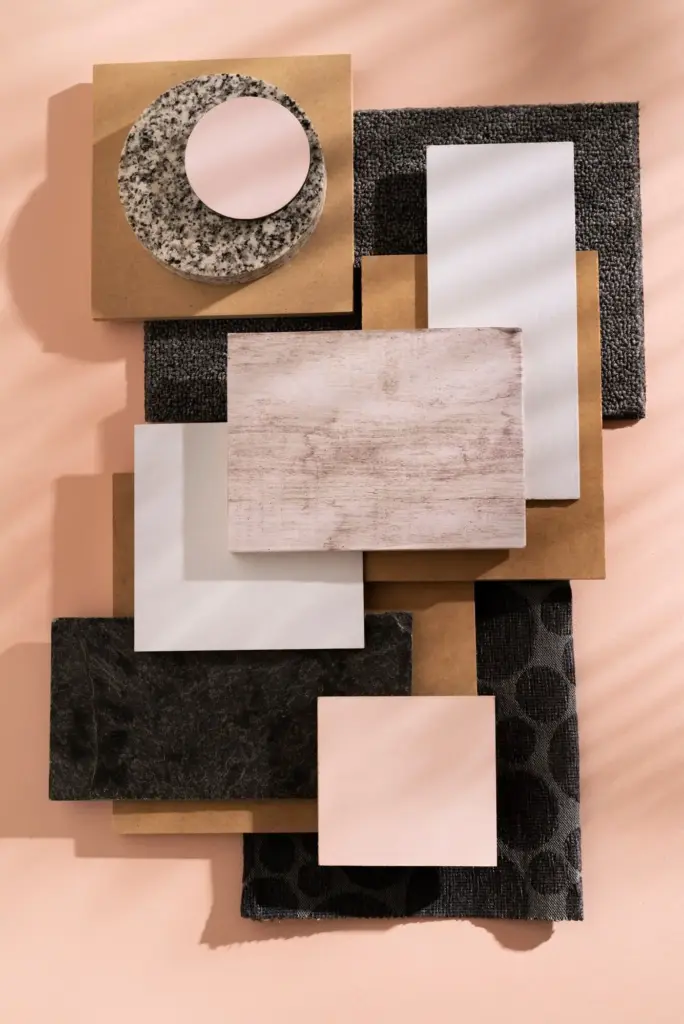
Seek FSC‑certified forests with mixed‑species plantings and careful harvest intervals, favoring rift‑sawn oak, walnut, or ash that offers consistent grain and dimensional stability. Combine solid lumber in structural elements with expertly matched veneers to maximize yield without sacrificing elegance. Consider thermally modified options for moisture zones. Insist on formaldehyde‑compliant substrates and plant‑based oils that let wood breathe. Proper acclimation, micro‑bevel detailing, and reversible joinery protect longevity, so patina becomes a story, not a flaw.
Reclaimed Stone and Low‑Impact Composites
Explore reclaimed marble, limestone, and basalt from decommissioned projects, recut and honed to modern tolerances. Where consistency is critical, specify terrazzo with recycled aggregates and binders with improved carbon profiles, or geopolymer concretes that reduce Portland cement dependency. Edge radii and slip resistance should anticipate barefoot spa rituals and high‑heel evenings alike. Thoughtfully coordinated sealers avoid high‑gloss plasticity, preserving mineral depth. Salvage artistry turns every vein and fossil into memory, connecting interiors to geologic time.
Recycled Metals with Lasting Luster
Opt for brass, aluminum, or stainless steel with substantial post‑consumer content, documented through mill certificates. Favor durable powder coats, PVD treatments, or living finishes that develop graceful patina without harmful lacquers. Design pieces for easy refinishing and component replacement, minimizing waste during future updates. Specify tactile knurling or softened chamfers that catch light elegantly. Metals then serve as jewelry for the room—responsibly sourced, enduringly repairable, and shimmering with the knowledge that beauty and stewardship can coexist.